


A bathroom vanity should match your space, storage needs, and daily usage. For small bathrooms, a single sink vanity is usually the best option, while larger or shared spaces benefit from a double sink vanity. This guide compares bathroom vanity sizes, floating designs, and wood materials to help you choose the right solution confidently.
1. Single Sink Vanity vs Double Sink Vanity: Which Bathroom Vanity Is Right for You?
1.1. Single Sink Vanity for Compact Bathrooms
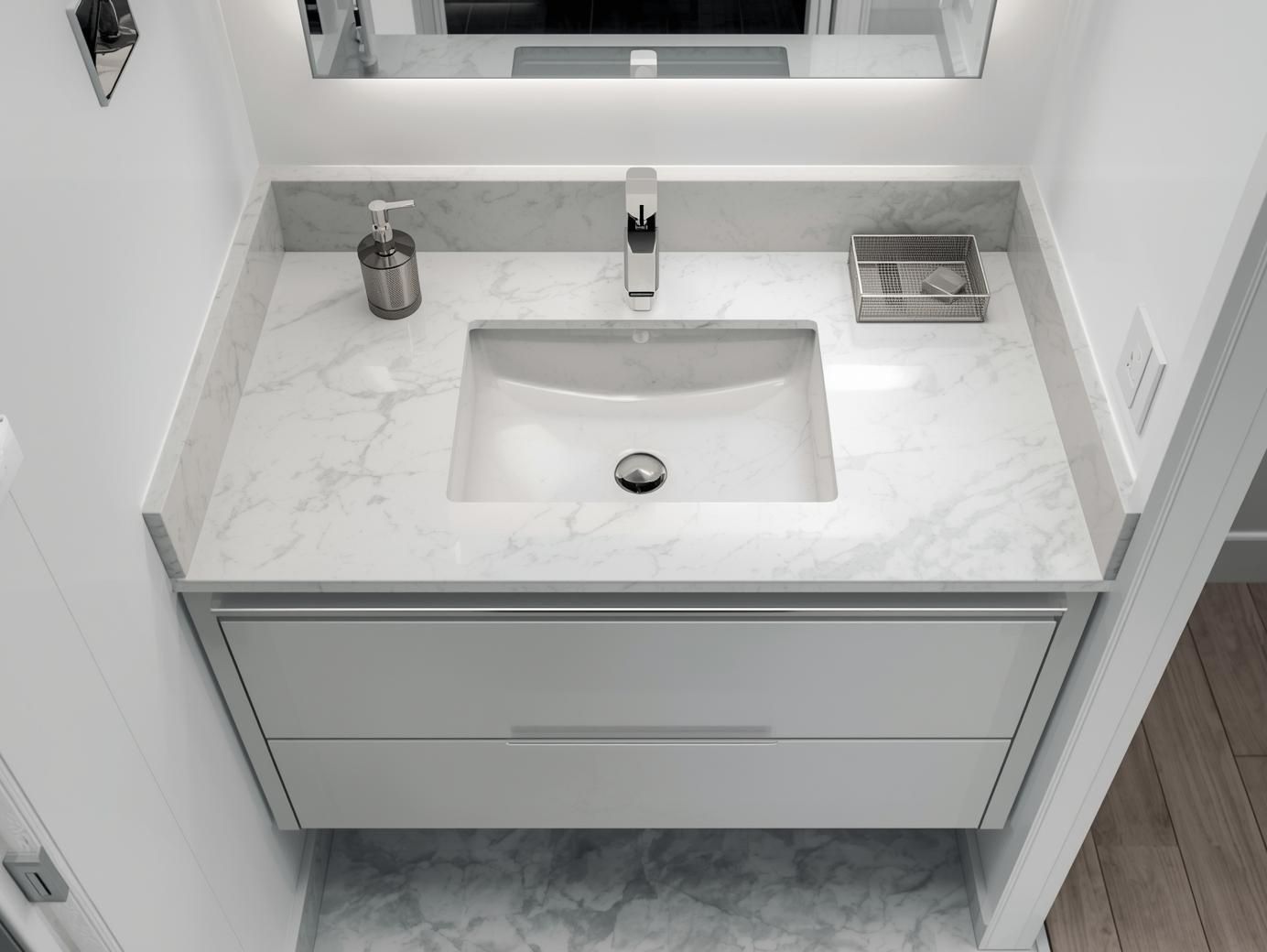
A single sink vanity is the most practical bathroom vanity choice for small to mid-sized layouts. It is designed to maximize usable space while maintaining essential storage and countertop area.
- Ideal width range
Most single sink vanity units range from 24 to 48 inches wide, making them suitable for bathrooms with limited wall space. - Best for apartments and guest bathrooms
This type of bathroom vanity works well in secondary bathrooms, powder rooms, or apartments where only one user occupies the space at a time. - Budget-friendly installation
A single sink vanity requires simpler plumbing and fewer materials, which helps reduce overall installation and labor costs.
1.2. Double Sink Vanity for Master Bathrooms
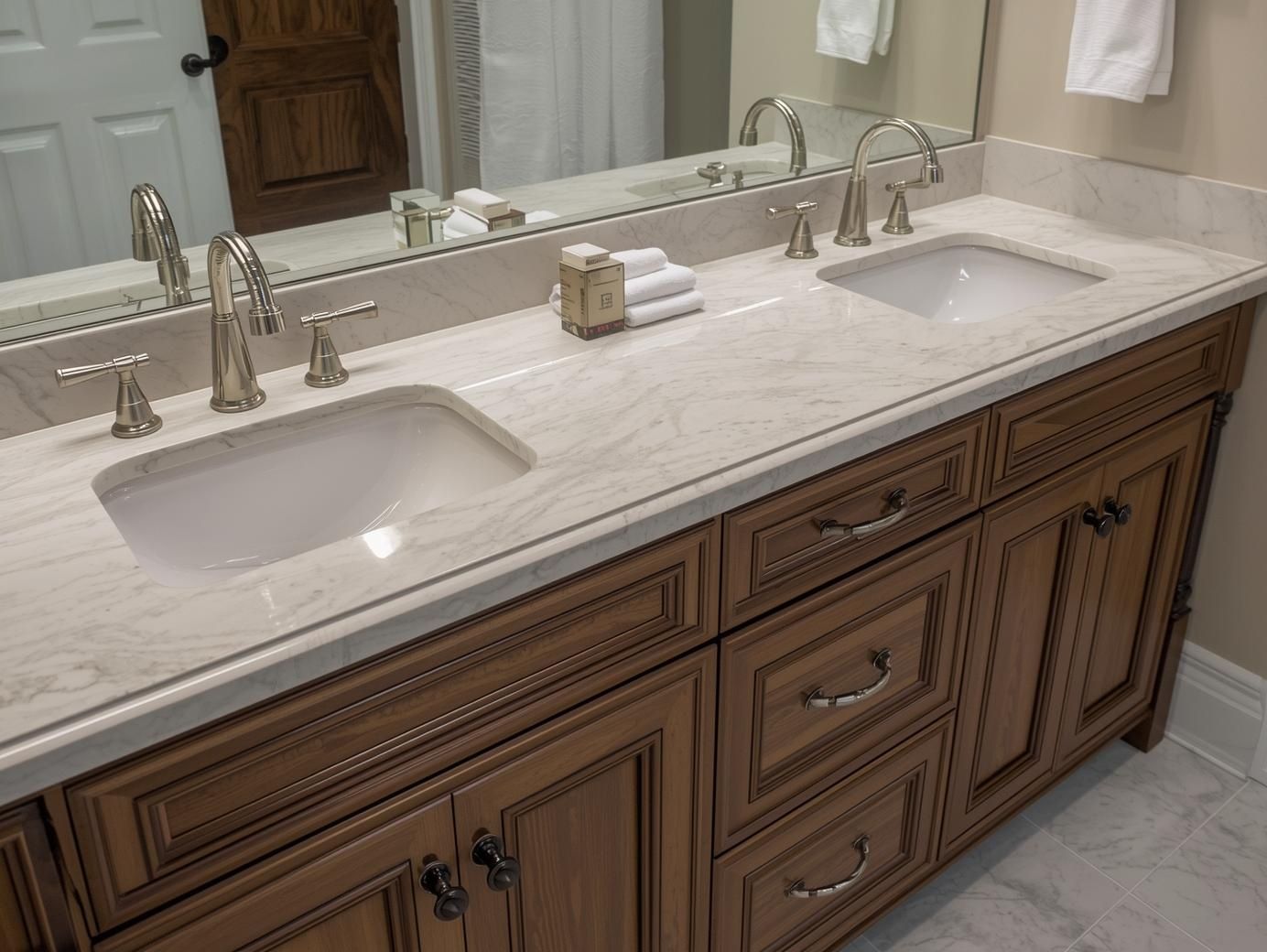
A double sink vanity is built for larger layouts and shared daily use. It offers greater countertop surface and dual functionality within one bathroom vanity unit.
- Minimum space requirements
A double sink vanity typically requires at least 60 inches of width to ensure comfortable spacing between sinks and adequate storage below. - Shared convenience benefits
This bathroom vanity setup allows two users to access the sink simultaneously, improving efficiency during busy mornings. - Increased storage capacity
With a wider cabinet base, a double sink vanity usually provides more drawers and compartments for better organization.
Choosing the right bathroom vanity depends on available space, number of users, and long-term comfort needs.
2. Bathroom Vanity Sizes: Standard Widths and Layout Planning
Choosing the right bathroom vanity size is less about picking a “popular” width and more about fitting your layout, plumbing position, and daily traffic. Start by measuring the available wall space, then leave clearance for doors, drawers, and walking paths so the vanity feels comfortable, not cramped.
Standard bathroom vanity widths (quick reference)
- 24″–30″: Best for powder rooms and very compact bathrooms
- 36″–48″: Most common range for a main bathroom single sink vanity
- 60″–72″: Typical range for a double sink vanity in master bathrooms
How to choose size based on layout
- Leave side clearance: Avoid pushing the bathroom vanity tight into a wall where drawers can’t open fully.
- Plan for door swing and traffic: Make sure bathroom doors and shower doors don’t collide with vanity doors.
- Check plumbing location: Centered plumbing is easiest, but off-center plumbing may limit drawer configuration.
Depth and height standards to know
- Depth: Commonly 18″–22″ (deeper units offer more storage but can feel bulky in narrow bathrooms).
- Height: Often 32″–36″ depending on comfort preference and design style.
If you are between sizes, choose the largest bathroom vanity that still keeps the bathroom easy to move through—this usually improves storage without sacrificing comfort.
3. Floating Vanity Cabinet: A Modern Bathroom Vanity Trend
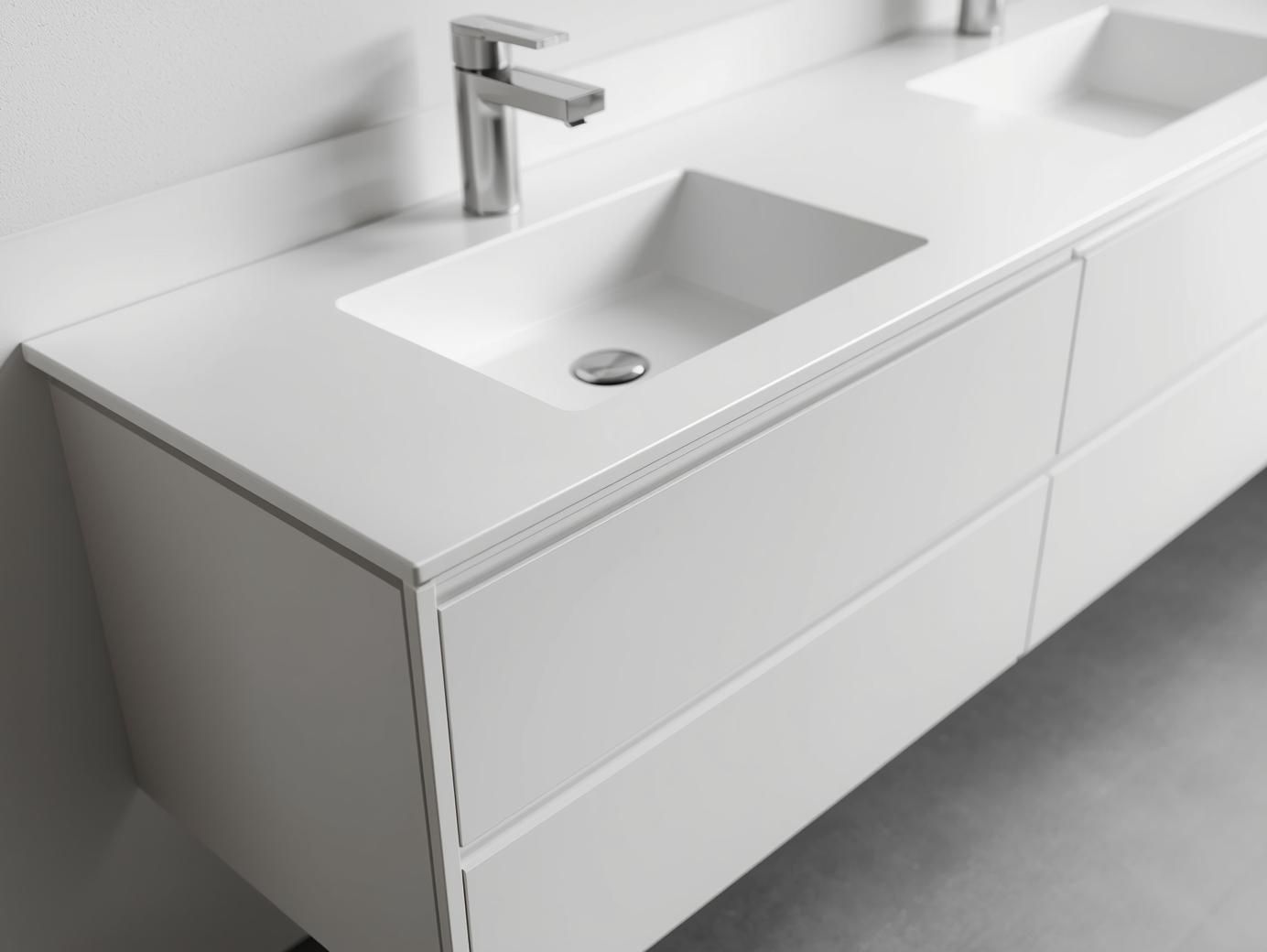
A floating vanity cabinet is a wall-mounted bathroom vanity that creates the illusion of more space by leaving the floor visible underneath. This design is increasingly popular in modern and minimalist bathrooms because it delivers both visual lightness and functional efficiency.
What makes a floating vanity cabinet different
Unlike traditional floor-mounted units, a floating vanity cabinet is secured directly to the wall. This structure creates a clean, streamlined appearance and works especially well in contemporary interiors.
Space-enhancing visual impact
Because the floor remains exposed, a floating bathroom vanity makes smaller bathrooms feel larger and less crowded. The open space underneath also allows for creative lighting options, such as LED strips for a modern touch.
Cleaning and maintenance advantages
With no base touching the floor, cleaning becomes easier. Dust and moisture are less likely to accumulate around the cabinet base, helping maintain hygiene in humid bathroom environments.
Installation considerations
A floating vanity cabinet requires strong wall support and proper plumbing alignment. Reinforced walls are recommended to ensure the bathroom vanity remains stable and secure over time.
For homeowners prioritizing modern aesthetics and efficient space use, a floating vanity cabinet offers a sleek alternative to traditional vanity designs.
For more inspiration on layout and style, explore these Vanity Cabinet Ideas for Small White Oak and Modern Bathrooms to see how different vanity designs can enhance modern interior
4. Wood Bathroom Vanity: Material Options and Durability Factors
A wood bathroom vanity remains a popular bathroom vanity choice because it combines natural aesthetics with long-term durability. However, not all wood constructions perform the same in humid environments like bathrooms.
- Solid wood vs engineered wood bathroom vanity
Solid wood offers natural grain beauty and strength, while engineered wood options provide better dimensional stability and cost control. - Moisture resistance considerations
Bathrooms experience constant humidity, so sealed surfaces, proper finishing, and moisture-resistant core materials are critical for long-term performance. - Finish types and protection
Painted, stained, or laminated finishes affect durability and maintenance. High-quality coatings help protect the wood bathroom vanity from warping and peeling. - Best interior styles for wood bathroom vanity
Works well in modern, rustic, transitional, and natural-inspired interiors, depending on finish color and grain pattern.
