


The choice between RTA vs Assembled Cabinets goes beyond style it directly affects your project’s cost, timeline, and long-term quality. RTA (Ready-to-Assemble) cabinets offer flexibility and lower upfront costs, while assembled cabinets deliver ready-to-install convenience and consistent craftsmanship. Understanding the real differences in pricing, materials, and durability can help you make a decision that balances both budget and lasting value.
1. RTA vs Assembled Cabinets: What Are RTA Cabinets?
In the RTA vs Assembled Cabinets debate, RTA (Ready-to-Assemble) cabinets are known for their practicality and affordability. These cabinets are shipped in flat packs containing all the essential components — pre-cut panels, hardware, and easy-to-follow assembly instructions. Designed for convenience, they can be assembled on-site using simple tools, making them a flexible choice for both professionals and DIY homeowners who want to save on installation costs.

RTA cabinets are widely used by contractors, online retailers, and budget-conscious homeowners because they’re cost-efficient and easy to transport. Each flat package takes up minimal space, reducing shipping expenses and allowing better inventory control for suppliers.
When comparing RTA vs Assembled Cabinets, the pros and cons of RTA cabinets become clear. They’re affordable, customizable, and ideal for bulk orders — but they require more time and skill during assembly. The final quality depends on the installer’s precision and the materials used. This is where RTA cabinets quality comparison becomes important: higher-end RTA models with solid plywood and durable finishes can rival assembled cabinets in performance. Overall, RTA cabinets strike a balance between cost, convenience, and quality, making them a smart option for many renovation and furnishing projects.
2. RTA vs Assembled Cabinets: What Are Assembled Cabinets?
In the RTA vs Assembled Cabinets comparison, assembled cabinets are the ready-made, factory-finished option that arrives fully constructed and ready to install. Each cabinet is built by skilled craftsmen in controlled environments, ensuring a precise fit, solid structure, and consistent finish. Because they’re prebuilt, there’s no need for on-site assembly — which means less time spent managing parts and fewer installation mistakes. These features make RTA vs Assembled Cabinets a key decision point for homeowners, designers, and contractors who care about efficiency and reliability.
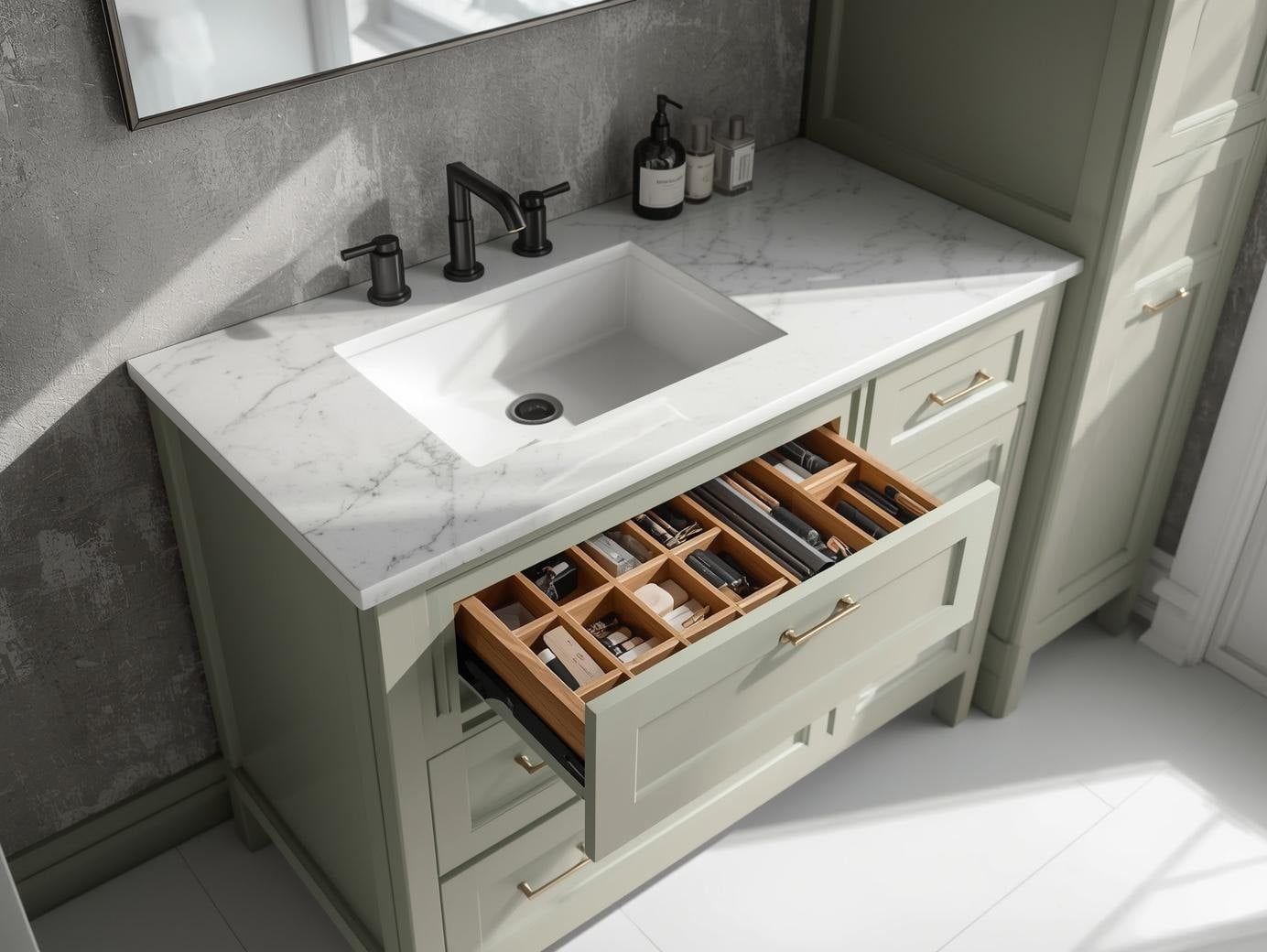
Assembled cabinets are the top choice for showrooms, professional builders, and upscale renovation projects. Their biggest advantages are uniform quality, time savings, and reduced risk of assembly errors. However, when weighing RTA vs Assembled Cabinets, you’ll also find that assembled versions are more expensive, take up more space in shipping, and usually require longer lead times. When looking at assembled vs unassembled cabinets, the trade-off is clear: RTA saves on cost and logistics, while assembled cabinets deliver convenience, craftsmanship, and a polished, professional finish.
3. RTA vs Assembled Cabinets: Cost Comparison and Value
When comparing RTA vs Assembled Cabinets, cost is often the deciding factor. While RTA (Ready-to-Assemble) cabinets generally have a lower price point, assembled cabinets offer higher convenience and consistent craftsmanship but at a premium. The key is to look beyond the sticker price and consider the full picture, including shipping, installation, and long-term maintenance.
|
|
|
|
|
|
|
|
|
|
|
|
|
|
|
|
|
|
|
|
|
|
|
|
|
|
|
|
Cost Comparison Between RTA vs Assembled Cabinets
In the RTA vs Assembled Cabinets comparison, RTA options tend to save more upfront ideal for budget-conscious buyers or bulk projects. However, assembled cabinets often deliver better value over time thanks to professional construction and reduced installation errors. When evaluating the total installed cost (purchase price + assembly + lifespan), RTA is more cost-effective for multi-family developments, apartment projects, and rental homes, while assembled cabinets pay off for high-end or time-sensitive installations. The right choice depends on your budget, project size, and desired balance between savings and convenience.
4. RTA vs Assembled Cabinets: Quality and Material Differences
When it comes to RTA vs Assembled Cabinets, quality is just as important as cost. Both options can look similar from the outside, but what truly sets them apart lies in the materials, craftsmanship, and construction methods used. Understanding these differences and how they affect long-term performance is essential before making a purchasing decision.
In most RTA cabinets quality comparison studies, materials play the biggest role. RTA cabinets are typically made from MDF, solid treatment wood, particleboard, or plywood, while assembled cabinets more often use hardwood frames and high-grade plywood. MDF and particleboard are budget-friendly but less durable in humid environments, whereas plywood offers better structural strength. The type of hinge, drawer glide, and surface finish also impacts durability soft-close hardware and multi-layer coatings can significantly improve a cabinet’s lifespan.
The RTA vs Assembled Cabinets quality gap has narrowed in recent years as many RTA suppliers now use solid plywood boxes, dovetail joints, and premium finishes similar to those found in assembled models. With proper assembly and quality materials, RTA cabinets can perform nearly as well as their pre-built counterparts. Ultimately, in the RTA cabinets quality comparison, the deciding factors are craftsmanship, material selection, and attention to detail not just whether the cabinet is flat-packed or factory-assembled.
5. RTA vs Custom Cabinets: Finding the Right Fit for Your Needs
When considering RTA vs Custom Cabinets, the biggest differences come down to cost, design flexibility, and craftsmanship. RTA (Ready-to-Assemble) cabinets are mass-produced, budget-friendly, and quick to deliver, while custom cabinets are made-to-order, designed to perfectly fit specific spaces and styles. The trade-off is clear: RTA cabinets save money and time, while custom cabinets offer full design freedom and premium quality at a significantly higher price point.
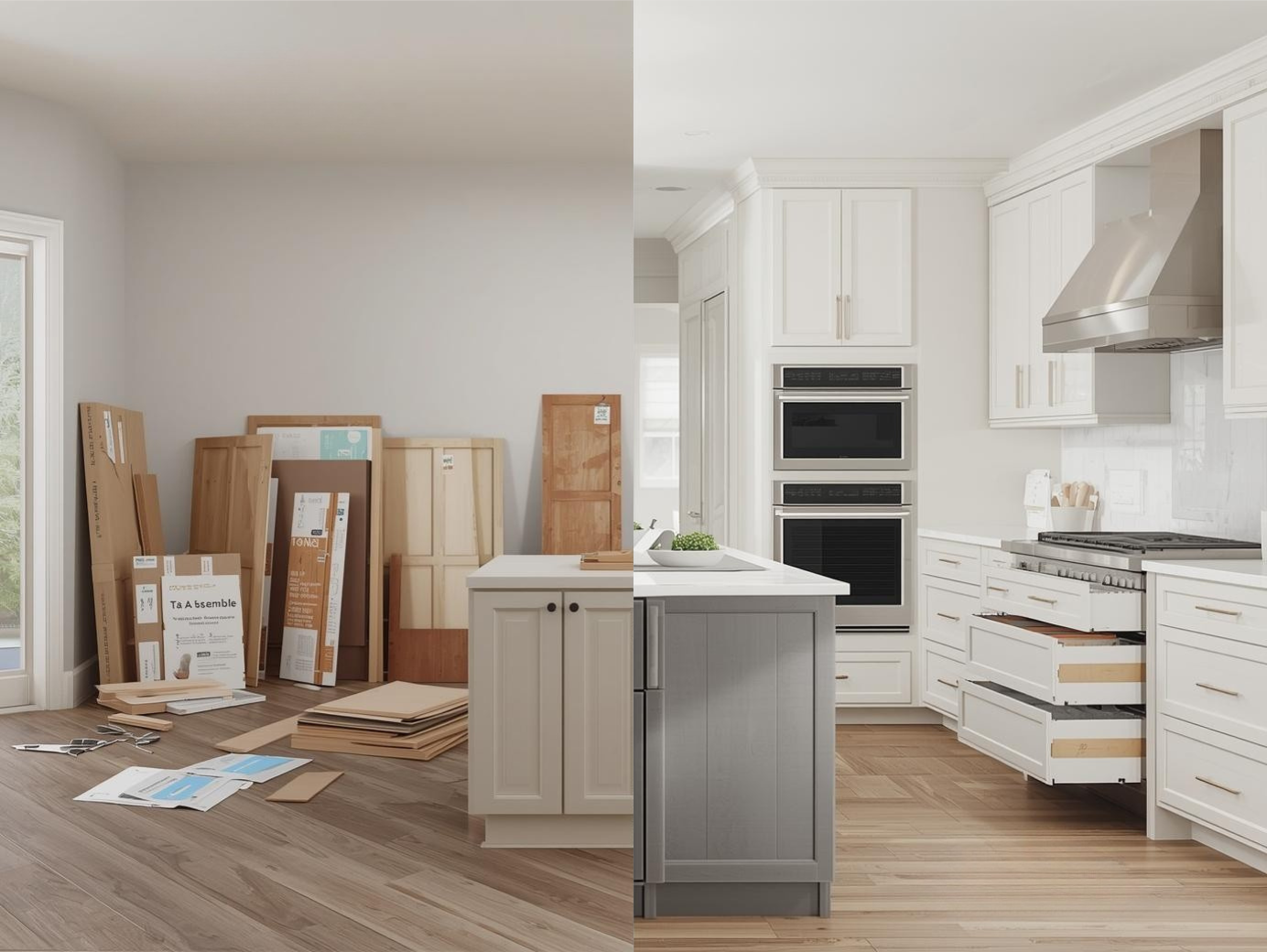
Custom cabinets are best suited for high-end projects, luxury homes, or spaces with unique dimensions. They allow for total control over materials, finishes, and configurations, ensuring every detail matches the client’s vision. However, these benefits come with longer lead times and much higher costs. In contrast, RTA vs Assembled Cabinets options are often “good enough” for most homeowners or contractors who want quality and functionality without the expense of full customization.
To strike the right balance, start by defining your budget and project priorities. If you value personalization and long-term investment, custom cabinets are worth it. But if your focus is practicality, efficiency, and affordability, RTA or Assembled Cabinets will meet most needs while keeping costs under control. The key is understanding where to invest in design or in savings to achieve the best outcome for your project.
6. Choosing the Right Cabinet Type for Your Project
After comparing RTA vs Assembled Cabinets in terms of cost, materials, and customization, the best choice depends on your priorities. Each type has its own strengths it’s about matching the right solution to your project’s scale, budget, and timeline.
If you value affordability and flexibility, RTA cabinets are the clear winner. They’re easy to ship in bulk, simple to store, and ideal for smaller remodels or for contractors managing multiple projects. For those who prioritize speed and consistent quality, assembled cabinets save time on-site and ensure a professional, uniform finish. And if your project requires premium materials or tailored designs, custom cabinets are worth the investment for their precision and personalization.
Here’s a quick guide:
- Contractors – Choose RTA cabinets for cost control and quick restocking.
- Distribution – Thêm loại khách phân phối cho hàng RTA
- Homeowners – Go with assembled cabinets for convenience and consistent results.
- Retailers or suppliers – Mix RTA and assembled options to serve different customer segments.
The key is to focus on long-term value, not just upfront cost. The right cabinet type should align with your goals balancing quality, efficiency, and budget so your project delivers both beauty and durability over time.
7. Conclusion
Choosing between RTA vs Assembled Cabinets ultimately depends on your budget, timeline, and expectations for quality. RTA cabinets are the go-to choice for affordability and flexibility perfect for those who don’t mind a bit of assembly work to save on costs. Meanwhile, assembled cabinets provide ready-to-install convenience, consistent craftsmanship, and a polished finish, making them ideal for high-end or time-sensitive projects.
By understanding the true differences between RTA vs Assembled Cabinets, you can make smarter purchasing decisions that save money while maintaining quality. Take time to compare costs, materials, and workmanship before finalizing your choice a thoughtful decision now can bring lasting satisfaction and durability.
Before your next renovation, compare costs and materials carefully to find the perfect balance between value and performance.
Contact VIC CABINET
VIC CABINET
Head Office: Tran Thu Do Street, Hoang Liet, Hoang Mai District, Hanoi, Vietnam
HCM Office: N8 Street, Phu Thuan, District 7, Ho Chi Minh City, Vietnam
Phone: +84 96 781 7316
Website: https://viccabinet.com
Email: info@viccorp.com.vn
