


Bathroom cabinets play an essential role in improving storage efficiency and enhancing the overall function of a bathroom. Choosing the right type and layout can make a significant difference in durability, organization, and visual appeal. This article provides practical tips for selecting bathroom cabinets and outlines the most popular types to help guide decision-making based on different spaces and needs.
1. Understanding Bathroom Cabinets
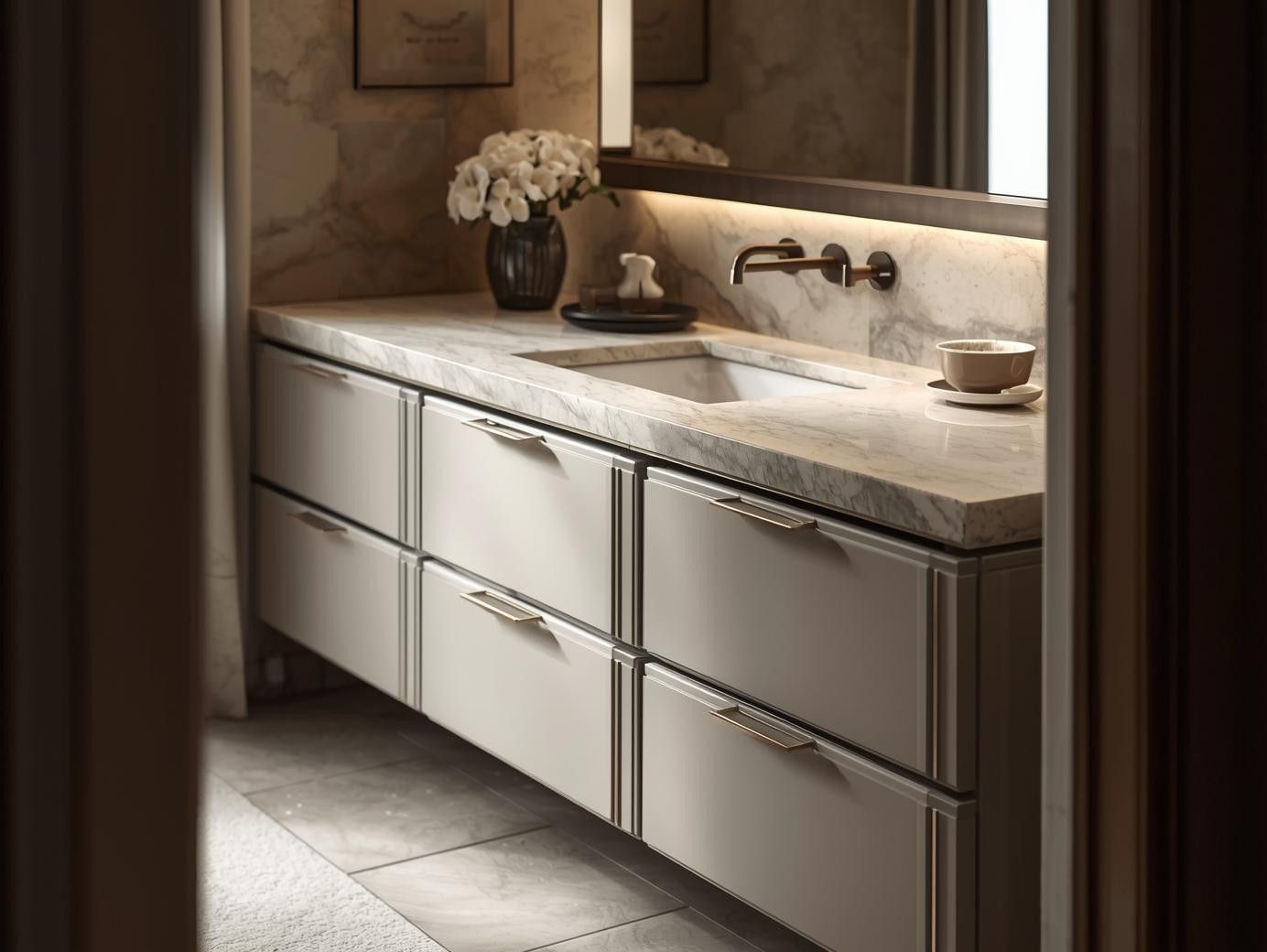
Bathroom cabinets are functional storage units designed to organize personal items, toiletries, and daily-use essentials within a bathroom setting. They come in a wide range of sizes, shapes, and installation styles, allowing them to serve various room layouts and user needs.
If you want to understand different vanity structures and sizing options, you can also explore Bathroom Vanity Types, Sizes and Sink Choices.
The primary functions of bathroom cabinets include improving storage efficiency, keeping surfaces tidy, protecting items from moisture, and contributing to the overall visual balance of the bathroom. A well-chosen cabinet can enhance both convenience and the appearance of the space by creating structure and reducing clutter.
Selecting the right type of bathroom cabinet is important because each bathroom environment has different requirements for size, moisture levels, and layout. Choosing an unsuitable design or material may lead to issues such as limited storage, poor durability, or mismatched aesthetics. Understanding the basic characteristics of bathroom cabinets provides a strong foundation for evaluating styles, materials, and functional features in later steps
2. Key Factors When Choosing Bathroom Cabinets
Selecting bathroom cabinets requires a clear understanding of how each option performs in real bathroom conditions. Because bathrooms vary in size, moisture level, and daily usage, choosing bathroom cabinets that balance function, durability, and style is essential. The following factors provide a structured approach for evaluating different bathroom cabinet types before making a final decision.
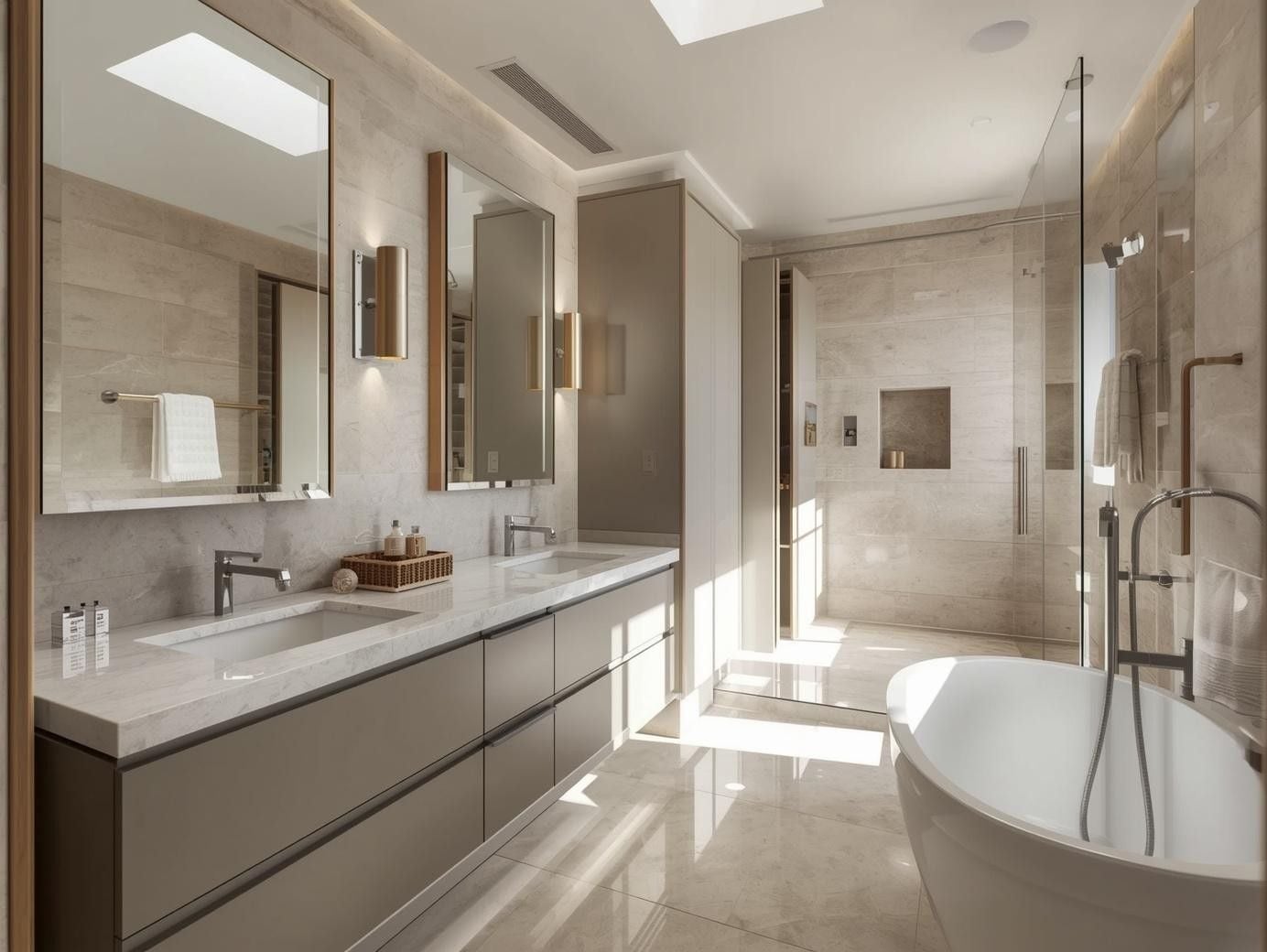
2.1 Space and layout
Available space strongly influences which bathroom cabinets are practical. Measurements of width, depth, and height determine whether a wall mounted bathroom cabinet, a tall bathroom cabinet, or a freestanding model fits naturally into the room. Proper spatial planning ensures that bathroom cabinets do not block movement, interfere with plumbing, or restrict drawer and door function.
2.2 Moisture and humidity conditions
Humidity is one of the biggest challenges for bathroom cabinets. High moisture levels can affect cabinet materials, finishes, and structural stability. Moisture-resistant cores, sealed edges, and protective coatings help bathroom cabinets withstand swelling, warping, peeling, or mold development. Selecting bathroom cabinets designed for humid environments significantly improves long-term durability.
2.3 Storage and functional needs
Different bathroom cabinets offer different storage capacities. Some cabinets provide deep compartments for towels, while others include shelves suitable for daily essentials. Evaluating storage needs helps determine whether a tall bathroom cabinet, a vanity mirror cabinet, or a compact wall mounted cabinet is the ideal choice. Choosing bathroom cabinets based on actual usage patterns ensures practical and efficient organization.
2.4 Material selection
Material quality greatly affects how bathroom cabinets perform over time. Plywood bathroom cabinets are valued for stability, moisture-resistant MDF provides smooth surfaces, solid wood offers a natural look, and PVC or aluminum models perform well in high-humidity settings. Comparing bathroom cabinet materials allows a balanced decision between durability, cost, and design preferences.
2.5 Finish and surface durability
Finishes protect bathroom cabinets from daily wear and moisture. Matte and gloss coatings deliver different aesthetics, while laminate and veneer finishes offer varying levels of durability. High-quality finishes help bathroom cabinets resist bubbling, discoloration, or surface damage caused by frequent cleaning or temperature changes. Choosing durable finishes is essential for maintaining appearance over time.
2.6 Style and visual compatibility
Bathroom cabinets contribute significantly to the visual identity of the room. Modern, minimalist, traditional, or transitional designs each bring unique character. Coordinating bathroom cabinet styles with wall colors, tiles, and hardware creates a cohesive design. Selecting bathroom cabinets that align with the room’s overall aesthetic helps establish balance and harmony
3. Popular Types of Bathroom Cabinets
Bathroom cabinets come in a variety of forms to accommodate different room layouts, storage needs, and visual preferences. Understanding the most common types helps create a clearer picture of how each option functions and where it performs best. The following designs are widely used due to their practicality and adaptability in both small and large bathrooms.
3.1 Wall mounted bathroom cabinets
Wall mounted cabinets are fixed directly to the wall surface, leaving the floor area clear. This design helps create a modern and open appearance while also supporting easy cleaning underneath. They are often used in smaller bathrooms where maximizing floor space is important. Their height and position can be adjusted to suit the room layout, making them a versatile option for many settings.
3.2 Tall bathroom cabinets
Tall cabinets extend vertically to provide substantial storage without taking up much floor space. These cabinets work well in narrow rooms or bathrooms that need additional capacity for towels, personal care products, or cleaning supplies. Their slim profile helps maintain a balanced visual flow, especially in compact areas that require efficient organization.
3.3 Vanity mirror cabinets
Vanity mirror cabinets combine a reflective surface with built-in storage, offering both functionality and convenience. This type is ideal for storing smaller items such as grooming tools, skincare products, and toiletries while keeping surfaces uncluttered. Because the mirror is positioned at eye level, it naturally integrates into daily routines without occupying additional space.
3.4 Freestanding bathroom cabinets
Freestanding cabinets can be placed at any suitable location without requiring installation into the wall. They provide flexibility for bathrooms where drilling is difficult or when frequent rearrangement is preferred. This type is also useful for adding extra storage to existing bathroom setups without modifying the overall layout.

For more inspiration, you can explore Vanity Cabinet Ideas for Small White Oak and Modern Bathrooms to see how cabinet finishes and layouts influence bathroom design.
4. Which Bathroom Cabinet Type Fits Each Bathroom Size
Choosing bathroom cabinets becomes easier when the room size is clearly defined. Different cabinet types perform better in specific layouts, moisture conditions, and storage requirements. Matching the right cabinet type to the available space helps maintain functionality, maximize storage, and support an organized bathroom environment.
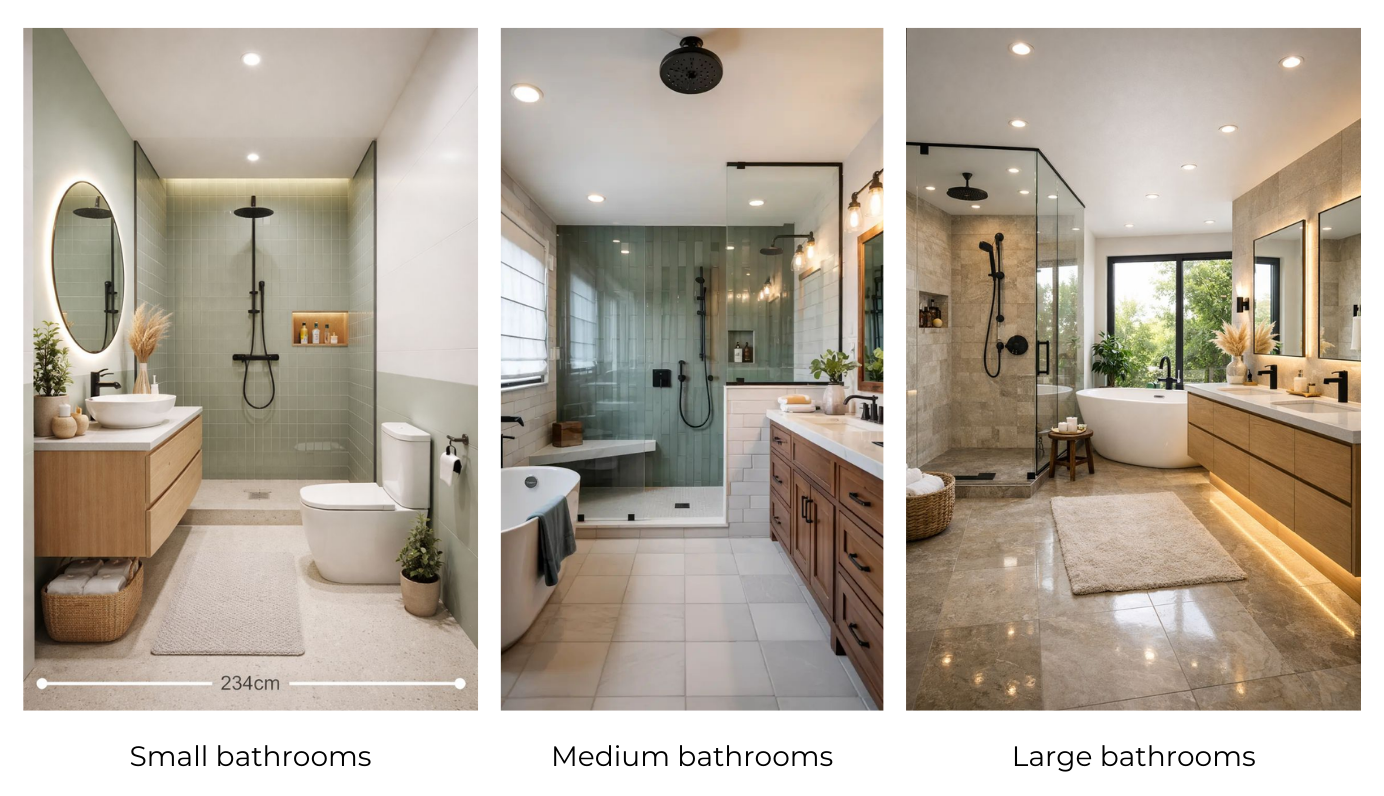
4.1 Small bathrooms
Small bathrooms benefit from compact and space-efficient cabinet designs. Wall mounted bathroom cabinets are ideal in these settings because they free up floor space and create an open, less crowded appearance. Tall bathroom cabinets with a slim profile can also be useful for adding vertical storage without occupying too much room. Vanity mirror cabinets further enhance small bathrooms by combining essential storage with the reflective surface needed for daily routines, reducing clutter while saving valuable space.
4.2 Medium bathrooms
Medium-sized bathrooms allow more flexibility when selecting bathroom cabinets. Homeowners can incorporate a combination of wall mounted cabinets and freestanding cabinets to create balanced storage. Tall bathroom cabinets become effective storage additions without overwhelming the room’s layout. A well-designed vanity mirror cabinet adds both utility and visual appeal while supporting practical organization. This size category provides room to experiment with styles, finishes, and layout arrangements.
4.3 Large bathrooms
Large bathrooms provide the most freedom when choosing bathroom cabinets, allowing multiple cabinet types to be used together. Full-sized vanities with integrated mirror cabinets, tall storage units, and freestanding cabinets can work in harmony to create a structured and visually cohesive environment. In spacious rooms, tall bathroom cabinets are especially beneficial for storing towels, linens, and bath accessories. Freestanding cabinets can be used as accent pieces or functional additions without compromising movement or aesthetic balance.
5. Comparing the Most Common Bathroom Cabinet Types
Bathroom cabinets come in several popular designs, and each one offers different strengths depending on the size and layout of the bathroom. This section is organized into clear groups to help readers quickly scan and understand the key benefits of each cabinet type without having to read long, dense paragraphs.
Wall mounted bathroom cabinets help create a clean and open feel because they do not occupy floor space. This makes them a strong choice for small bathrooms that need a lighter and more spacious appearance. They also make cleaning underneath easier and pair well with modern interior styles.
– Highlight: ideal for compact bathrooms that need a minimal and uncluttered layout.
– Keep in mind: limited weight capacity and requires stable wall support.
Tall bathroom cabinets maximize vertical space and offer generous storage for towels, larger toiletries, and bulk items. Their slim footprint makes them suitable for both small and medium bathrooms while still providing significant storage without expanding floor area.
– Highlight: provides the most storage with the least floor space.
– Keep in mind: can feel visually heavy if placed in a very narrow room.
Vanity mirror cabinets combine a mirror with hidden internal storage, keeping everyday essentials organized and accessible. They help maintain a tidy countertop and are suitable for bathrooms of almost any size.
– Highlight: perfect for organizing small daily items while saving space.
– Keep in mind: shallow depth limits the storage of larger bottles or containers.
Freestanding bathroom cabinets offer flexibility because they do not require installation and can be placed in different areas of the room. They are ideal for medium to large bathrooms where floor space is not limited and flexibility in layout is desired.
– Highlight: easy to reposition, replace, or integrate into different layouts.
– Keep in mind: occupies floor space and may not work well in tiny bathrooms.
Quick takeaways for easier decision-making
– Wall-mounted and vanity mirror cabinets work best in small bathrooms.
– Tall cabinets are recommended when additional storage is needed without expanding horizontally.
– Freestanding cabinets suit medium and large bathrooms or layouts that require flexibility.
– Mixing cabinet types can create a well-balanced and visually organized bathroom.
6. Common Mistakes When Choosing Bathroom Cabinets
Choosing bathroom cabinets can be challenging when the room has high humidity, limited space or specific storage needs. Many people tend to focus on appearance and overlook important functional details. Below are the most common mistakes that often lead to poor durability, wasted space or inconsistent design.
Overlooking moisture resistance: Bathroom environments are naturally humid, so materials and finishes must handle moisture well. Cabinets that are not moisture resistant often swell, warp or show surface damage after a short period of use. It is important to check whether the cabinet core, edges and finishes are designed for long-term humidity exposure.
Choosing the wrong size: Selecting a cabinet that is too large or too small can disrupt the layout of the bathroom. A cabinet that is oversized may block movement or make the space feel cramped. A cabinet that is too small may not offer enough storage, leading to clutter.
Ignoring practical storage needs: Some bathroom cabinets look attractive but lack useful internal space. Oversized shelves, shallow compartments or limited sections can make daily organization difficult. Considering what items need to be stored helps determine whether a tall cabinet, a wall mounted cabinet or a vanity mirror cabinet is more suitable.
Not considering placement and accessibility: A cabinet placed too high, too low or in an inconvenient corner may be difficult to reach. Drawers need enough clearance to open fully, and doors should not hit other fixtures.
Selecting a style that does not match the room: Bathroom cabinets should blend with the overall design of the bathroom. A modern wall mounted cabinet may look out of place in a traditional bathroom, while a bulky freestanding cabinet may not suit a minimalist layout.
If you are organizing utility spaces as well, you may find useful ideas in Laundry Room Cabinets Ideas for Better Storage and Layout.
7. Tips to Maximize the Lifespan of Bathroom Cabinets
Bathroom cabinets are exposed to daily use, moisture and cleaning routines, so proper care helps maintain their appearance and performance over time. Even high-quality cabinets benefit from simple maintenance habits that improve durability and prevent early wear.
- Keep moisture under control: Excess humidity can affect cabinet materials and finishes. Good ventilation helps prevent swelling, peeling and mold. Using exhaust fans, opening windows or placing cabinets away from constant water exposure are simple ways to reduce humidity stress.
Tip: ensure the bathroom is ventilated after showers or long periods of steam.
- Clean surfaces regularly: Dust, water stains and cosmetic products can accumulate on cabinet surfaces. Wiping cabinets with a soft, damp cloth helps prevent discoloration and buildup. Avoid harsh chemicals, which can damage finishes or cause fading.
Tip: choose mild cleaning solutions that are safe for painted or laminated surfaces.
- Check hardware and hinges: Hinges, drawer slides and handles experience frequent movement. Over time, loose hardware can affect alignment and create noise or uneven closing. Tightening screws regularly helps maintain smooth operation.
Tip: inspect hardware every few months for signs of loosening. - Protect cabinets from direct water contact: Prolonged exposure to water splashes can shorten cabinet lifespan. Placing mats, using backsplash panels or adjusting the cabinet position helps reduce direct contact with water sources.
Tip: wipe water immediately instead of letting it sit on the surface. - Avoid overloading shelves: Each bathroom cabinet type has a different weight capacity. Overloading shelves can cause bending, sagging or structural strain. Organizing items by weight and spreading storage evenly across compartments helps maintain cabinet stability.
Tip: store heavier items in lower sections and lighter items in upper shelves.
8. Conclusion
Choosing the right bathroom cabinets is ultimately about finding a balance between durability, storage efficiency and visual harmony. When the materials, layout and moisture conditions are properly considered, cabinets can maintain their appearance and performance for many years. Each cabinet type brings different strengths, and understanding how they fit into real bathroom spaces makes the selection process clearer and more practical.
For businesses that work with cabinets in larger volumes such as developers, contractors or distributors, consistent quality and stable supply are just as important as design. If you are planning a new project or exploring reliable sourcing options, our team is ready to provide guidance, product information and technical support to help you make confident decisions.
Contact us to discuss specifications, samples or upcoming project needs. Our team is here to help you choose the right solutions with dependable quality and predictable timelines.
VIC CABINET FACTORY – Vietnam cabinet manufacturer
Head Office: Tran Thu Do Street, Yen So Ward, Hanoi, Vietnam
HCM Office: N8 Street, Phu Thuan, District 7, Ho Chi Minh City, Vietnam
Phone: +(84) 986 119 249
Website: https://viccabinet.com
Email: info@viccorp.com.vn
