


Ready to assemble kitchen cabinets are a cost-effective solution for bulk residential and commercial projects. Yes, they can significantly reduce shipping and storage costs compared to pre-assembled units. However, total value depends on supplier quality, lead time stability, and risk control. This guide explains what bulk buyers must evaluate before placing large orders.
1. Ready to Assemble Kitchen Cabinets: How They Actually Reduce Total Project Cost
The cost advantage of ready to assemble kitchen cabinets comes from total supply chain structure, not only factory pricing.
Production cost. RTA cabinets reduce factory labor because units are not fully assembled. Standardized panel machining and flat-pack packaging lower handling time and improve production efficiency.
Shipping cost. Flat-pack design increases container loading capacity. More cabinets per 40ft container reduce freight cost per unit. When ocean freight fluctuates, higher loading density protects landed cost stability.
Storage cost. RTA cabinets require less warehouse volume than assembled units. This reduces storage rent, internal handling, and damage risk.
Landed cost comparison. While assembled cabinets may appear simpler for installers, their larger shipping volume increases freight and storage expenses. In bulk orders, total landed cost of RTA is typically lower due to logistics efficiency.
Impact on distributor margin. Lower landed cost improves gross margin flexibility. Distributors can either maintain competitive pricing or increase profit per unit. However, margin stability depends on consistent machining accuracy and packaging quality.
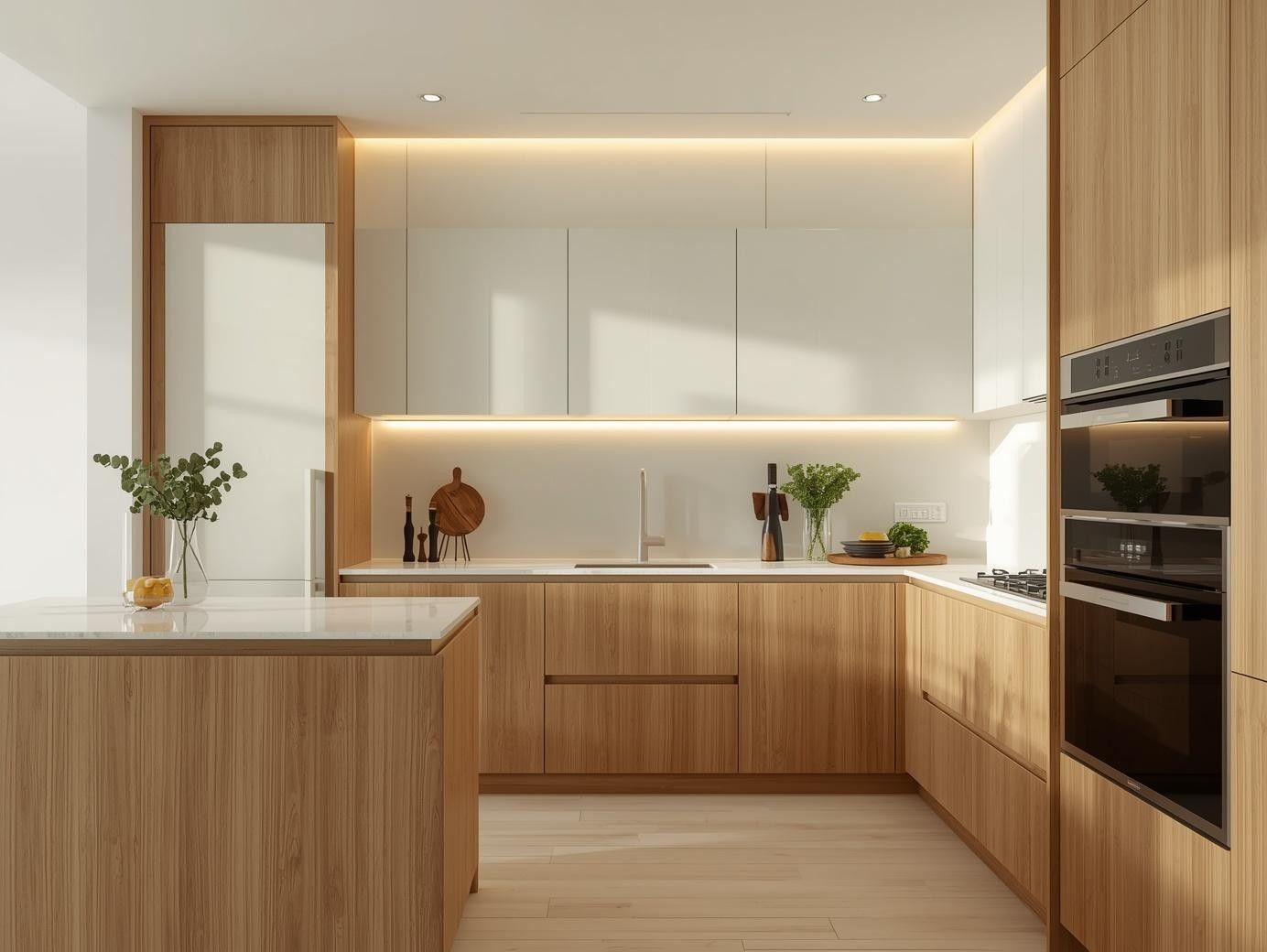
In summary, ready to assemble kitchen cabinets improve distributor profitability when production efficiency, container optimization, and inventory control are properly managed.
2. RTA Kitchen Cabinets: Hidden Risks Buyers Often Overlook
While rta kitchen cabinets offer cost advantages, buyers must understand the operational risks before placing bulk orders.
Machining accuracy. Inconsistent drilling or panel cutting leads to alignment issues during installation. Small dimensional errors can increase labor time and create after-sales service costs.
Hardware durability. Low-quality hinges and drawer slides reduce lifecycle performance. Frequent replacement increases warranty claims and damages distributor reputation.
Moisture control. Improperly dried wood panels may expand or warp during transit. This is especially critical for long ocean shipping routes.
Packaging standards. Weak carton structure or insufficient edge protection increases transit damage. Damage rate directly impacts replacement cost and margin.
For distributors and importers, the real risk is not the purchase price but post-sale cost. Proper supplier evaluation and quality control systems are essential to ensure that rta kitchen cabinets remain profitable at scale.
3. How to Evaluate Ready to Assemble Kitchen Cabinets Before Placing a Bulk Order
Before confirming volume orders, buyers should evaluate ready to assemble kitchen cabinets using a structured checklist.
Sample inspection checklist.
Verify panel thickness, core material, drilling alignment, edge banding quality, and joint stability. All components should assemble without forced adjustment.
Performance testing requirements.
Request hinge cycle testing and drawer slide load testing. Standard cabinet hinges are commonly rated for 40,000–80,000 cycles under BHMA performance standards. Drawer slides should maintain stability under full load without bending.
Finish consistency check.
Inspect color uniformity, coating smoothness, and edge coverage across multiple cartons. Inconsistent finishing increases rejection rates and resale risk.
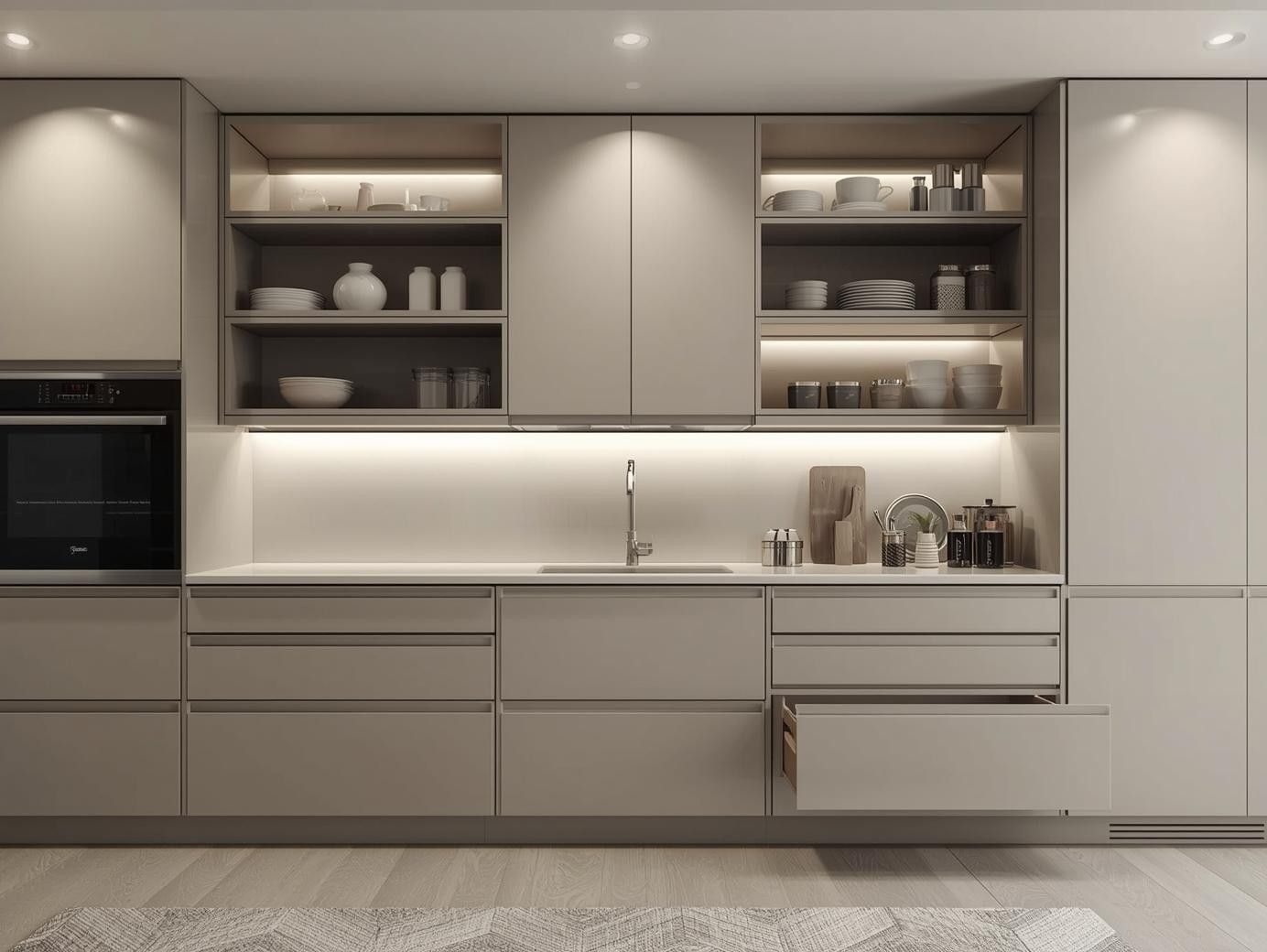
When evaluating ready to assemble kitchen cabinets, focus on confirming the following key points:
- Panel core material and moisture control standard
- Thickness tolerance and machining accuracy
- Hinge cycle rating and drawer slide load capacity
- Hardware brand specification
- In-line quality control frequency
- Finish coating process and color consistency control
- Packaging strength and drop-test standard
- Production capacity and lead time stability
- Damage replacement policy and claim procedure
- Factory ownership vs trading company structure
These checkpoints help reduce operational risk and protect margin in bulk purchasing of ready to assemble kitchen cabinets.
4. Buying Ready to Assemble Cabinets Online: Price vs Reliability
Ready to assemble cabinets online often appear cheaper because many sellers operate as trading companies with lower overhead. However, lower price usually means weaker production control and higher risk of inconsistency.
MOQ vs real capacity.
Low MOQ does not guarantee strong factory capability. Confirm actual monthly output and production lines.
Real lead time vs advertised lead time.
Marketing timelines may exclude peak delays. Verify true production cycle and shipping schedule.
Factory verification.
Request business registration, factory photos, audit reports, and container loading records.
When sourcing ready to assemble cabinets online, operational reliability matters more than headline pricing.
5. Expanding Into Ready to Assemble Bathroom Cabinets & Vanity Cabinets
Ready to assemble bathroom cabinets and ready to assemble vanity cabinets often generate higher margins than kitchen cabinets due to smaller size, specialized configurations, and higher design value per unit. The material cost difference is limited, but retail pricing is typically higher.
Application in multi-family and hotel projects.
Bathroom RTA cabinets are suitable for apartments, condominiums, and hospitality projects where standardized layouts allow bulk production and repeat orders. This improves purchasing efficiency and inventory planning.
Moisture-resistant material differences.
Bathroom cabinets require stricter moisture control. Panels must meet stable moisture content standards, and finishes should provide better sealing to prevent swelling in humid conditions.
Cross-sell opportunity.
For distributors, adding bathroom and vanity lines increases average order value. Selling kitchen and bathroom cabinets together improves container utilization and strengthens long-term customer relationships.
Expanding into ready to assemble bathroom cabinets creates both operational efficiency and margin growth potential.
6. Choosing a Long-Term RTA Kitchen Cabinets Supplier
When sourcing rta kitchen cabinets, supplier selection directly affects defect rate, lead time stability, and margin control.
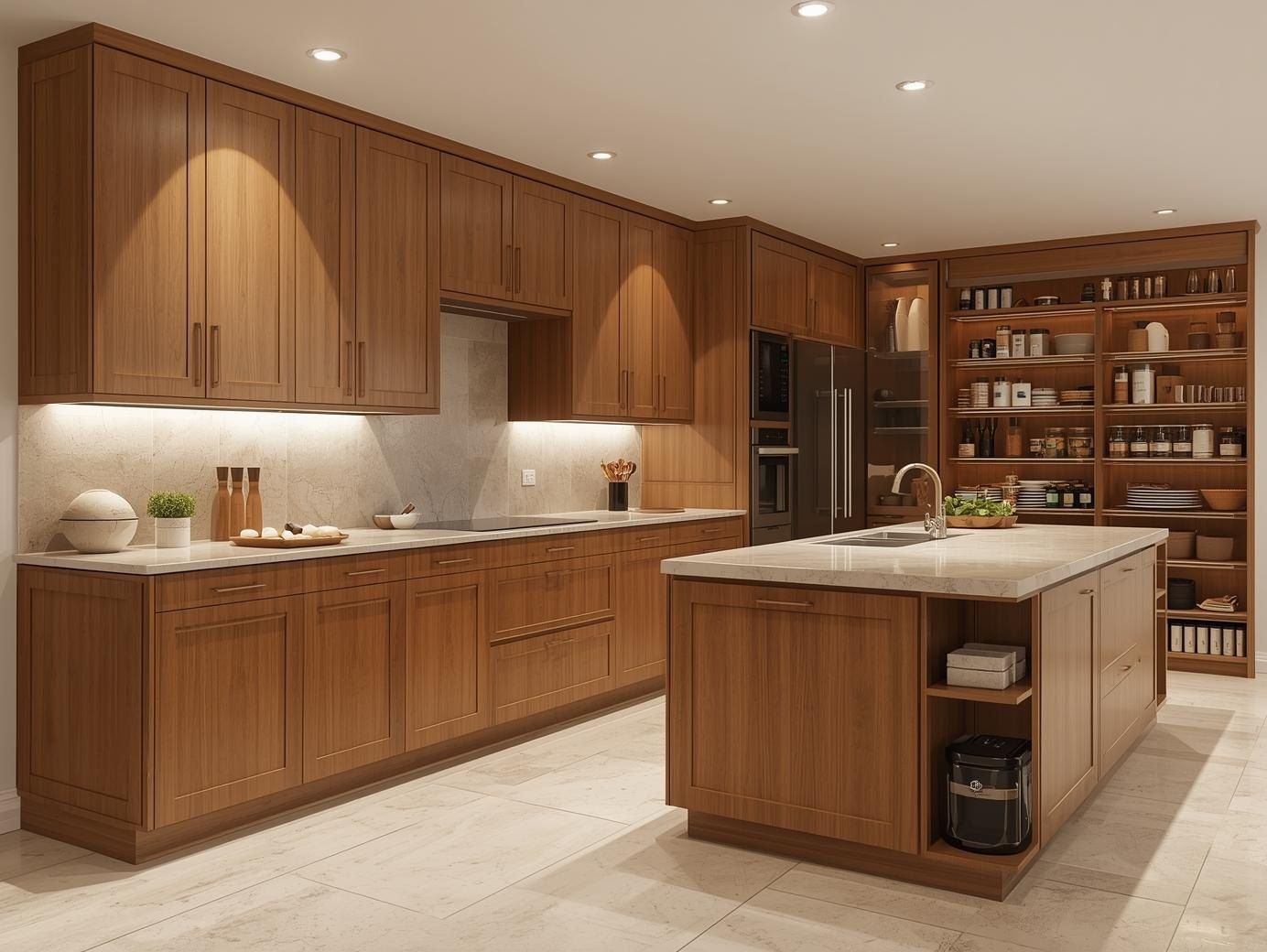
1. Verify real manufacturing capacity
Confirm number of CNC machines, drilling lines, and daily output volume. Ask for actual monthly production data, not estimated capacity. A factory handling 20–30 containers per month has different operational stability than one shipping 3–5 containers.
2. Check tolerance and machining standards
Request cutting tolerance specifications (e.g., ±0.5 mm). Inconsistent drilling alignment increases installation labor and return claims.
3. Review packaging performance
Ask for drop-test standards and carton strength specifications. High container damage rate erodes margin quickly in bulk orders.
4. Evaluate lead time under peak season
Do not rely on standard 30-day production claims. Confirm actual lead time during high season and material shortage periods.
5. Assess claim handling procedure
Clarify damage rate threshold, replacement timeline, and credit policy. Fast claim resolution protects distributor reputation.
