


RTA cabinets are becoming a preferred solution for projects that require cost control, flexible logistics, and scalable supply. From shaker styles to pricing factors and project selection, understanding how RTA cabinets work helps you make more informed decisions. This guide outlines the key considerations to help you choose the right solution for your needs.
1. Why RTA Kitchen Cabinets Are Popular in 2026
RTA kitchen cabinets are gaining traction because you are prioritizing cost predictability and operational efficiency. In most kitchen projects, cabinetry represents one of the largest budget components. When cabinet costs increase, your total project cost rises significantly. Choosing RTA cabinets allows you to control freight, warehousing, and handling expenses through flat-pack packaging. This structure reduces wasted space during shipping and improves container efficiency, which directly lowers your landed cost.
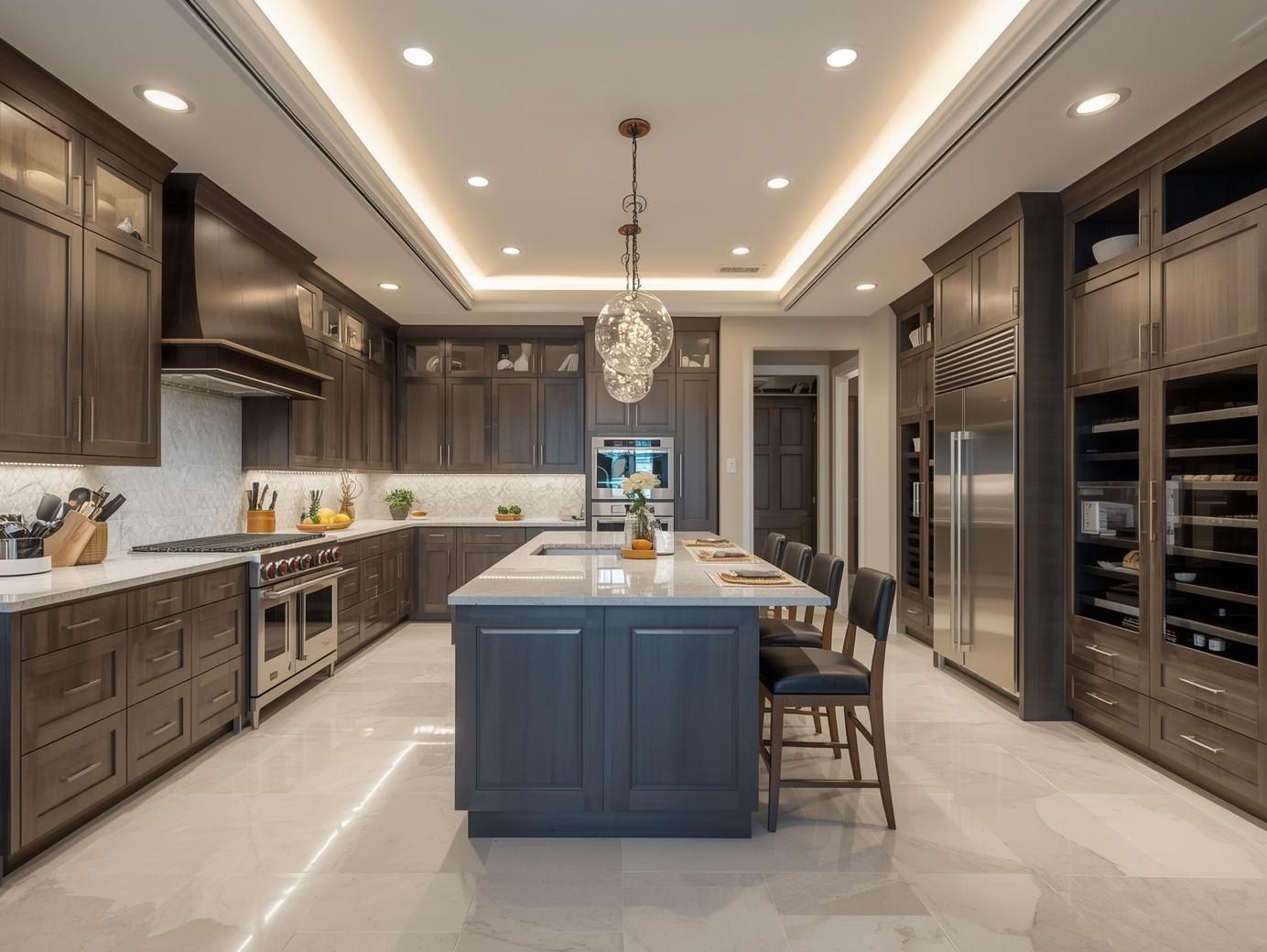
Logistics flexibility is another key advantage. Ready to assemble cabinets are easier to store, easier to transport, and easier to manage across multiple job sites. For contractors and developers handling repeat layouts or multi-unit projects, standardized flat-pack SKUs simplify planning and reduce delays. Instead of paying for pre-assembled volume and higher freight impact, you gain better inventory control and scalable supply.
Market behavior also supports this shift. Buyers increasingly favor solutions that balance affordability with consistent design options, especially shaker styles. RTA kitchen cabinets meet this demand by offering structured cost control, repeatable quality, and practical supply chain management. For both residential renovations and commercial developments, this makes RTA a logical and financially disciplined choice.
2. RTA Shaker Cabinets: The Best-Selling Style
Shaker design leads the RTA segment because it is neutral, versatile, and widely accepted in the U.S. market. The clean five-piece door construction fits modern, transitional, and traditional interiors. For you, this reduces design risk and increases resale appeal.
Slim shaker features narrower rails, creating a sharper and more contemporary appearance. Traditional shaker uses wider rails, offering a classic and balanced look. Both options maintain the same structural logic, allowing you to adjust style without changing the overall cabinet system.
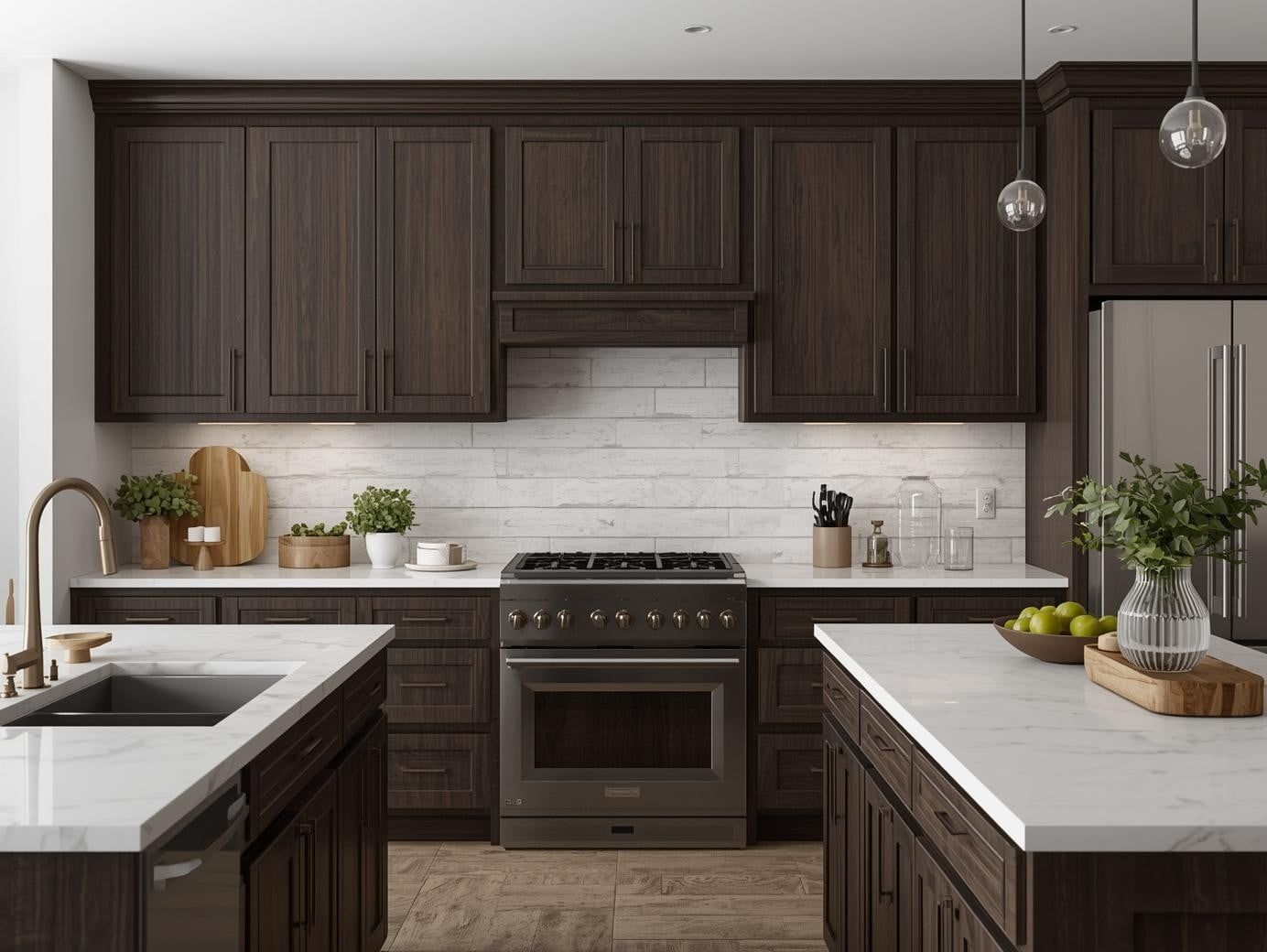
White shaker remains the safest and most specified finish due to its brightness and resale value. Grey offers a balanced neutral option. Navy creates depth in larger kitchens. Natural wood tones support warm and organic designs. These finishes allow flexibility while keeping the shaker profile consistent.
RTA shaker cabinets are easy to standardize across multiple layouts. For residential projects, they provide timeless appeal. For commercial and multi-unit developments, they simplify SKU management and maintain consistent quality. This balance of style, efficiency, and scalability explains why shaker continues to dominate the RTA market.
3. Cheap RTA Cabinets: What Determines the Price?
When you search for cheap rta cabinets, price differences often come from construction details rather than appearance. Two cabinets may look similar, but internal structure and materials can vary significantly.
Material construction plays a major role. Plywood boxes generally offer better durability and moisture resistance than particle board. MDF doors provide smooth paint finishes, while solid wood rails increase structural strength. Lower-cost cabinets often use thinner panels or lighter core materials.
Door structure and joinery also affect pricing. Dovetail drawer construction and reinforced corner blocks increase durability but add cost. Stapled or cam-lock systems reduce production expense but may limit long-term strength.
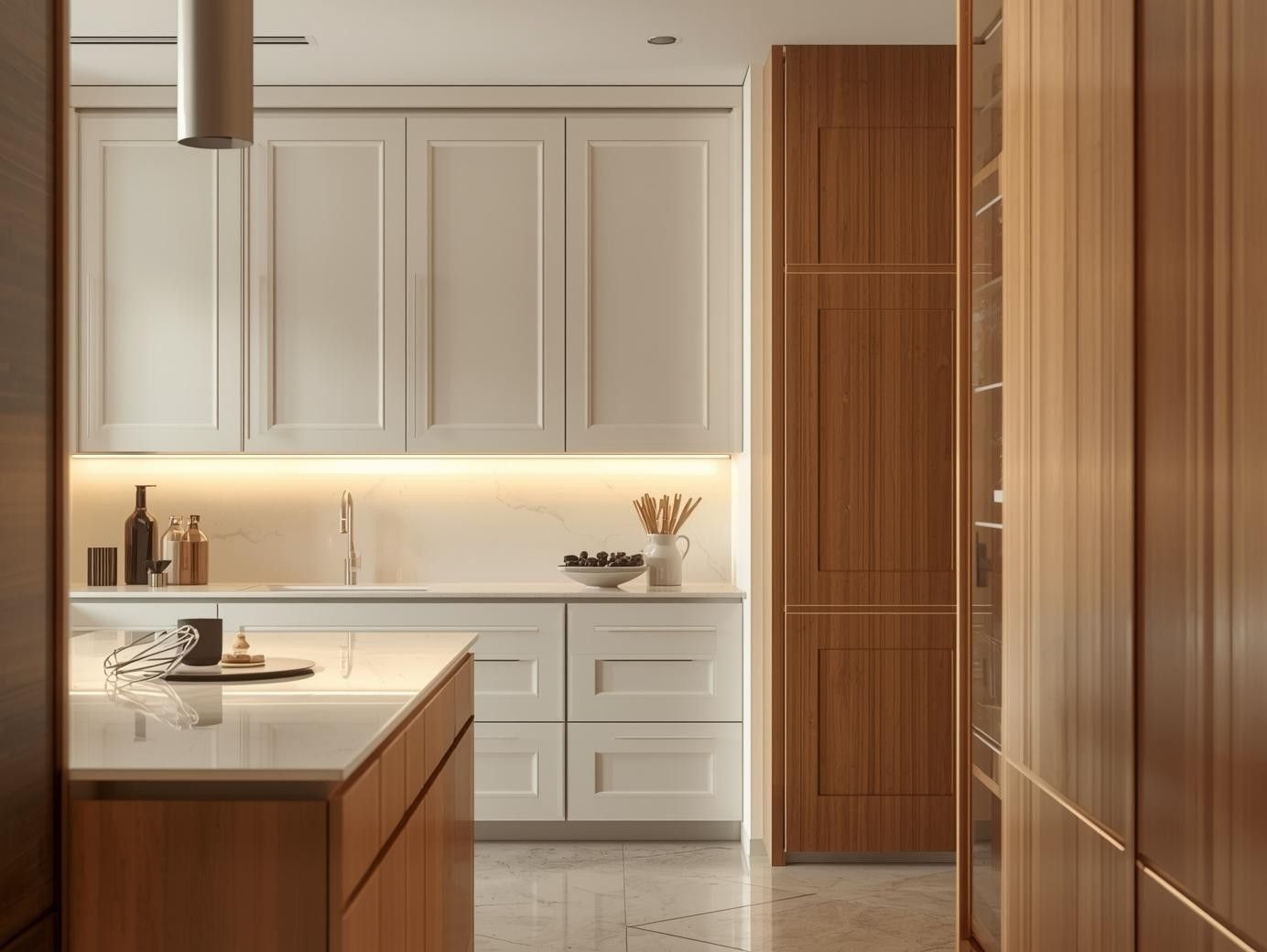
Finish quality influences both price and performance. Painted finishes require sanding, priming, and multiple coating layers. Thermofoil is typically less expensive but may not offer the same long-term refinishing flexibility.
Hardware components matter as well. Soft-close hinges and full-extension drawer slides improve functionality. Lower-priced options may use basic hardware with shorter lifecycle performance.
Finally, import origin and supply chain structure impact total cost. Freight efficiency, production scale, and tariff exposure can change your landed price significantly. When evaluating rta cabinets, it is important to consider total project value, not just initial unit price.
4. Ready to Assemble Cabinets vs Pre-Assembled Cabinets
|
|
|
|
|
|
|
|
|
|
|
|
|
|
|
|
|
|
|
|
|
|
|
|
|
|
|
|
|
|
|
|
5. How to Choose the Right RTA Cabinets for Your Project
Choosing the right rta cabinets requires evaluating your project type, budget structure, and supply chain needs. The goal is not only to select a style, but to align construction quality and logistics with your operational priorities.
5.1 For Residential Renovation
If you are working on a single-home renovation, budget balance is critical. Focus on:
- Plywood box construction for better durability
- Painted shaker doors for strong resale appeal
- Soft-close hardware for improved user experience
- Delivery timelines that match installation schedules
In residential projects, design consistency and long-term performance matter more than large-scale SKU standardization.
5.2 For Commercial & Multi-Unit Projects
For larger developments, scalability becomes the priority. Consider:
- Standardized SKUs to simplify repeat orders
- Stable color matching across production batches
- Predictable lead times for phased construction
- Freight efficiency to control total landed cost
In this case, ready to assemble cabinets offer operational advantages because flat-pack logistics reduce storage pressure and improve container utilization.
By aligning cabinet construction, finish selection, and logistics structure with your project model, you can ensure that your rta cabinets support both cost control and long-term project performance.
6. Is RTA Cabinets the Right Choice for Your Project?
Choosing rta cabinets depends on how you structure your project costs and operations. If your priority is freight efficiency, scalable supply, and predictable budgeting, RTA provides clear logistical advantages. Flat-pack packaging reduces storage pressure and improves container utilization, which supports cost control in both residential and commercial builds.
However, RTA may not be ideal for highly customized or luxury projects that require complex detailing and factory pre-assembly. In those cases, the convenience of pre-assembled cabinetry can offset higher shipping volume.
For most standard renovations and multi-unit developments, ready to assemble cabinets offer a practical balance between cost, flexibility, and consistent quality. The key is aligning cabinet structure with your labor capacity, timeline, and overall investment strategy.
𝐕𝐈𝐂 𝐂𝐚𝐛𝐢𝐧𝐞𝐭 𝐅𝐚𝐜𝐭𝐨𝐫𝐲 – 𝐕𝐢𝐞𝐭𝐧𝐚𝐦 𝐜𝐚𝐛𝐢𝐧𝐞𝐭 𝐦𝐚𝐧𝐮𝐟𝐚𝐜𝐭𝐮𝐫𝐞𝐫
Head Office: Tran Thu Do Street, Yen So Ward, Hanoi, Vietnam
HCM Office: N8 Street, Phu Thuan, District 7, Ho Chi Minh City, Vietnam
Phone: +(84) 986 119 249
Website: https://viccabinet.com
Email: info@viccorp.com.vn
